Description
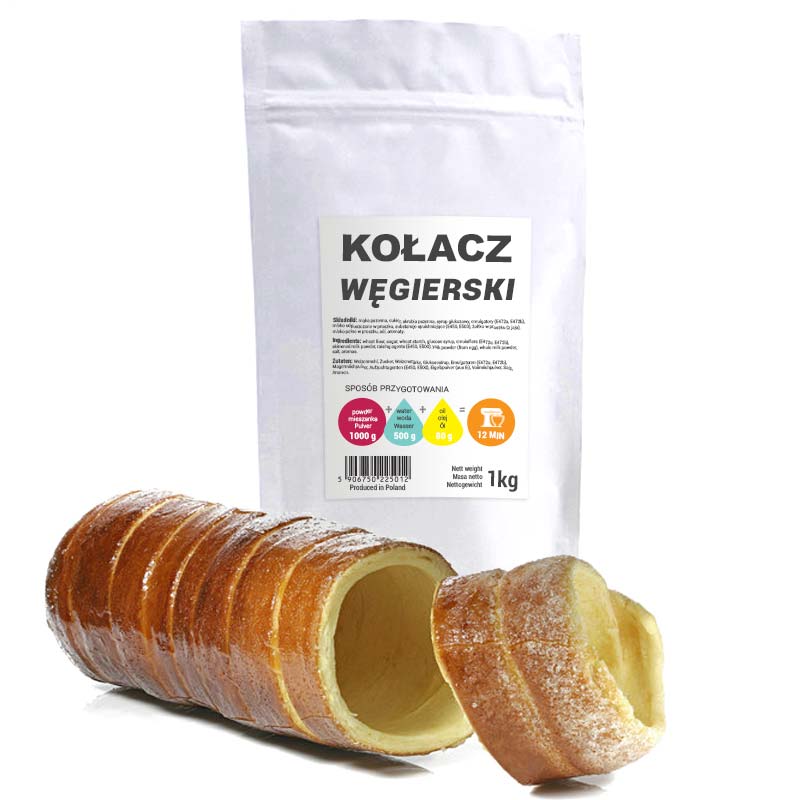
Ready Mix for Homemade Hungarian cake 1 kg
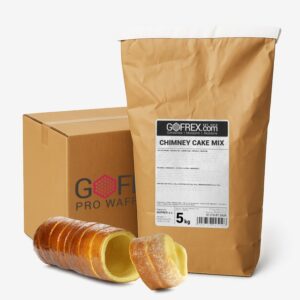
Homemade Hungarian kołacz is a ready mix that simplifies the preparation of the traditional sweet cylindrical pastry. The mix contains carefully selected ingredients that provide the authentic flavor of Hungarian kurtos. The Gofrex brand product enables home baking without the need to measure individual ingredients. Hungarian kołacz, also known as kurtos or trdelnik, is a traditional dessert that has gained popularity at Christmas markets.
A 1-kilogram package is enough for several servings of homemade baked goods. The ingredients include wheat flour, sugar, powdered eggs, and powdered whey derived from milk. The mix also contains wheat gluten, emulsifier E471, salt, and ascorbic acid. Preparing the dough requires only adding water, yeast, and margarine or oil.
Features and Benefits
The ready mix for Hungarian kołacz eliminates the need to weigh ingredients. The recipe was developed by specialists at Gofrex. The composition ensures the proper dough consistency and authentic flavor.
Main product benefits:
- Time-saving in dough preparation
- Proven ingredient composition
- Simple preparation method
- Versatile use in home kitchens
- Long shelf life
- Professional taste of homemade baked goods
- No need to purchase ingredients separately
The mix guarantees success even for beginner home bakers. Dough made from this product features appropriate elasticity. Its structure allows easy shaping of kołacz on molds or wooden rollers.
The ingredients are selected to ensure crispiness on the outside and softness inside. Emulsifier E471 improves dough texture. Ascorbic acid acts as a natural flour quality enhancer.
Benefits for the Food Service Industry
Professional bakeries and restaurants can use the mix to standardize production. The product ensures consistent quality of baked goods while reducing costs.
Advantages for gastronomy:
- Reduces dough preparation time by half
- Standard ingredient proportions in every batch
- Eliminates risk of recipe errors
- Can be stored in a dry warehouse
- Cost-effective for larger orders
- Eases kitchen staff training
Restaurants can use the product to prepare seasonal desserts. Hungarian kołacz is popular during outdoor events. The ready mix allows quick order fulfillment.
The food service industry rates the product positively due to its quality stability. The mix performs well in small and medium batch production.
Specifications and Technical Data
The product was developed according to the highest food quality standards. The mix contains ingredients sourced from certified suppliers. The composition is safe for individuals without food allergies.
| Parameter | Value |
|---|---|
| Net weight | 1 kilogram |
| Energy value | 1581 kJ/374 kcal per 100 g |
| Fat | 4.5 g per 100 g |
| Saturated fatty acids | 2.2 g per 100 g |
| Carbohydrates | 70 g per 100 g |
| Sugars | 12 g per 100 g |
| Fiber | 1.8 g per 100 g |
| Protein | 13 g per 100 g |
| Salt | 0.68 g per 100 g |
| Baking temperature | 175°C |
| Baking time | about 15 minutes |
Storage conditions require a dry and cool place. The product does not need to be refrigerated. The shelf life is usually 12 months from the production date.
The packaging is made of materials that provide protection against moisture. The mix retains its properties throughout the entire storage period. The manufacturer Gofrex ensures quality control at every stage of production.
Preparation method and baking techniques
Preparing the dough from the ready mix requires precise adherence to ingredient proportions. The basic recipe calls for 1 kg of mix, 0.5 liters of water, and 50 grams of fresh yeast. Alternatively, 16 grams of instant yeast can be used.
The dough kneading process should last about 5 minutes on low speed. Then increase the mixer speed to medium for another 8 minutes. The kneaded dough needs to rise for 50-60 minutes in a warm place.
No special molds are needed for shaping the kolaches. Glass bottles or wooden rolling pins wrapped in aluminum foil can be used. The dough should be rolled out to about 3 millimeters thick and cut into strips.
The dough strips are arranged “overlapping” around the mold. Before baking, the kolaches can be brushed with butter and sprinkled with cinnamon sugar. Alternatively, the topping can be added after baking for a better effect.
Flavor variants and additions
The traditional recipe calls for sugar and cinnamon as the basic topping. This classic combination provides a distinctive aroma associated with Christmas markets.
Popular additions include finely chopped walnuts or almonds. Coconut flakes are an alternative for those who prefer a milder flavor. Some recipes suggest adding grated lemon or orange zest.
Modern variants include colorful sprinkles intended for children. Bakeries experiment with adding cocoa or hazelnuts. Vegan versions use plant-based milk instead of animal-derived ingredients.
Seasonal variants include adding spice blends during the Christmas holidays. Summer versions use dried fruits or almond flakes. Each addition should be used in moderation so as not to overpower the basic dough flavor.
Practical tips and techniques
The quality of kolaches depends on the proper temperature of ingredients during preparation. Water should be at room temperature, and yeast should be activated in a warm but not hot environment. Too high a temperature can kill the yeast and prevent the dough from rising.
When kneading the dough, maintain the right consistency. The mass should be slightly sticky but not stick to your hands. If the dough is too dry, you can add a small amount of water.
The rising process requires a warm but not heated place. The ideal temperature is about 25-28 degrees Celsius. The dough should double in volume during fermentation.
Shaping kolaches requires delicacy and patience. Dough strips should be wrapped evenly, avoiding wrapping too tightly. Dough wrapped too tightly may crack during baking. During baking, it is advisable to rotate the kolaches every 5 minutes for even browning.