Belgian waffles are one of the most recognizable sweets in the world. They are characterized by deep square pockets and a unique texture—crispy on the outside and gently fluffy on the inside. The secret to perfect Belgian waffles lies in properly prepared batter, which requires precise ingredient selection and knowledge of proven techniques.
Preparing the ideal batter for Belgian waffles is not complicated, but it requires adhering to several fundamental rules. Each ingredient plays a specific role in creating the characteristic structure. The proportions must be measured exactly, and the mixing technique properly applied. The temperature of individual components is equally important for the final result.
Excellent Belgian waffles stand out not only for their taste but also for the perfect balance between the crispness of the outer layer and the softness of the interior. Achieving such perfection requires using proven methods and avoiding common mistakes made during batter preparation. Every step matters for the final outcome.
Basic ingredients and their ideal proportions in Belgian waffle batter
The foundation of exceptional Belgian waffles consists of carefully selected ingredients in appropriate proportions. Each element plays a key role in shaping the batter’s structure. Flour provides the basic framework, eggs contribute fluffiness, milk ensures creaminess, and butter adds a distinctive flavor. The quality of each ingredient directly affects the taste and texture of the finished baked goods.
Fresh room-temperature eggs, high-quality butter, and good-quality flour significantly improve the final effect. The temperature of ingredients also has fundamental importance—most should reach room temperature before starting preparation. Professional bakers pay special attention to the freshness of all components.
Flour as the main base of the batter
Wheat flour type 405 or 450 works best for Belgian waffles. It contains an optimal amount of gluten, which provides proper structure without excessive hardness. Sifting flour removes lumps and aerates the mixture. Too much flour causes hard, rubbery waffles.
The standard proportion of flour is about 250 grams for 6–8 medium-sized waffles. Some recipes include a small amount of potato or cornstarch flour. This increases fluffiness and improves the texture of finished baked goods. Flour must be fresh and stored in a dry place.
Sifting flour together with baking powder ensures even distribution of leavening agents. This process also eliminates possible impurities and improves batter consistency. Flour should have a light color and neutral smell. Older stock may cause an unpleasant aftertaste in finished waffles.
The role of eggs in batter structure
Eggs serve a dual function in Belgian waffle batter. Yolks add creaminess, richness of flavor, and characteristic color. When beaten into stiff peaks, egg whites provide lightness and exceptional fluffiness. Separating yolks from whites significantly improves the texture of final baked goods.
Fresh eggs at room temperature blend much better with the other ingredients. One large egg weighs about 60 grams. For a standard portion of batter, 2-3 eggs are needed depending on the desired consistency. Whipping egg whites requires perfectly clean bowls free of any grease.
Basic ingredient proportions:
- 250g all-purpose wheat flour (type 405)
- 3 fresh eggs at room temperature
- 350ml milk or buttermilk
- 125g melted butter
- 2 teaspoons baking powder
- 3 tablespoons granulated sugar
- 1 teaspoon vanilla sugar
- A pinch of sea salt
The temperature of the eggs is crucial for the emulsification process. Cold eggs can cause the butter to curdle, which negatively affects the batter’s structure. Egg whites at room temperature whip faster and create a more stable foam. The whipping process then takes less time and effort.
The importance of liquids and fats
Milk gives the batter a creamy consistency and a delicate flavor. Buttermilk is an excellent alternative—its natural acidity works with the baking powder to increase fluffiness. The temperature of the liquids should be around 20-25 degrees Celsius. Too hot milk can destroy the batter’s structure and cause the egg whites to curdle.
Butter is responsible for the characteristic flavor and prevents sticking to the waffle iron surface. Melted butter must be sufficiently cooled before adding it to the batter. Some recipes call for replacing part of the butter with vegetable oil, which improves the tenderness of the baked goods. Oil helps waffles stay soft longer.
An alternative to regular milk can be coconut or almond milk, which gives waffles a subtle aroma. The amount of fat affects the crispness of the outer layer—more butter means greater crispness. The fat-to-flour ratio should be about 1:2 for optimal results.
Step-by-step preparation of perfect waffle batter
Preparing ideal Belgian waffle batter requires following a specific sequence of steps. Each stage is important for the final quality of the baked goods. Ingredient temperatures, mixing technique, and preparation time affect the structure of the finished batter. Proper combination of ingredients determines both fluffiness and crispness of waffles.
The process begins by preparing all ingredients and utensils. Organizing your workspace speeds up work and minimizes mistakes. Separating yolks from whites at the start facilitates later steps. Sifted dry ingredients mix more easily and do not form unwanted lumps.
Preparation of dry ingredients
All dry ingredients should be sifted together into a large bowl. Flour, baking powder, sugar, and salt must be evenly mixed. Sifting eliminates lumps and aerates the mixture. Salt enhances the flavor of other ingredients and stabilizes the batter’s structure.
Baking powder must be fresh—old baking powder loses its leavening properties and can ruin the entire bake. Checking expiration dates prevents failures. Vanilla sugar can be replaced with half a teaspoon of vanilla extract. Thorough mixing of dry ingredients ensures an even batter consistency.
Mixing dry ingredients should be done with gentle movements. Overly vigorous mixing can cause the flour to become compacted. Some chefs recommend adding a pinch of cinnamon or nutmeg to enhance the flavor. Dry ingredients can be prepared a day in advance and stored in an airtight container.
Sifting also serves to check the quality of individual ingredients. An unusual smell or color may indicate that the product is expired. Fresh flour has a light color and a neutral aroma. A yellowish tint may indicate improper storage.
Technique for combining wet ingredients
Egg yolks are beaten with part of the sugar until a light, creamy mixture is obtained. Gradually adding warm milk prevents the mixture from curdling. Melted, cooled butter is poured in a thin stream while continuously stirring. The mixture must be smooth and free of lumps.
Wet ingredients are gently combined with dry ingredients using a spatula or wooden spoon. Overmixing develops gluten and creates a rubbery batter. A few spoonfuls of stirring are enough to combine the ingredients. Small lumps of flour are not a problem—they will disappear during baking.
Order of batter preparation:
- Sift dry ingredients into a bowl
- Separate egg yolks from whites
- Beat yolks with sugar until light
- Gradually add warm milk
- Pour in melted, cooled butter
- Gently combine with dry ingredients
- Beat egg whites until stiff peaks form
- Carefully fold the egg whites into the batter
The temperature of wet ingredients should be close to room temperature. Large temperature differences can cause the batter to curdle. Mixing should be minimal—just enough to combine the ingredients without developing gluten. Excessive mixing is the main cause of tough waffles.
Technique for whipping egg whites to perfection
Egg whites should be whipped in an impeccably clean, dry bowl free of any grease traces. Start at low speed, gradually increasing the mixer’s speed. Stiff peaks form after 3-5 minutes of whipping. Well-beaten egg whites do not fall off the whisk when the bowl is inverted.
The egg white foam is added to the batter in two stages. The first portion is mixed somewhat more vigorously—it thins out the thick batter. The second portion requires gentle folding motions from bottom to top. Preserving air bubbles ensures fluffy waffles.
A pinch of salt or a few drops of lemon juice added to egg whites stabilizes the foam and facilitates whipping. Overwhipping can cause the foam to collapse. Egg whites should be used immediately after whipping to maintain maximum volume. Standing foam loses its stability and can affect waffle texture.
Technique for baking Belgian waffles in a waffle iron
Proper baking of Belgian waffles requires an appropriate waffle iron and knowledge of several key techniques. The device’s temperature, amount of batter, and baking time have a decisive impact on the quality of the final product. The waffle iron must be properly preheated before starting work. Even distribution of batter ensures uniform rising across all parts of the waffle.
Professional Belgian waffle makers are characterized by deep, square-shaped pockets. Rotating models allow for even distribution of batter across the entire surface. The baking temperature should be around 190-200 degrees Celsius. Too low a temperature results in pale, soft waffles.
Preparing the waffle maker for use
The waffle maker requires proper heating before the first use of the day. This process usually takes 5-10 minutes depending on the device model. A light or temperature indicator signals readiness for baking. The baking surfaces should be lightly brushed with butter or oil on the first use.
Non-stick coated plates require minimal greasing. Excess fat can cause burning and unpleasant smoke. Evenly spreading the fat with a brush ensures optimal results. Regular cleaning of the plates extends the device’s lifespan and provides better baking outcomes.
Checking for even heating can be done by pouring a small amount of batter onto different areas of the plate. Uniform browning indicates proper functioning. Some models have temperature control—medium or high settings are optimal for Belgian waffles. Too high a temperature can burn the outer layer before the inside is cooked.
Tip: The first waffle is often used as a test—it allows adjusting the amount of batter and baking time to the specific waffle maker and taste preferences.
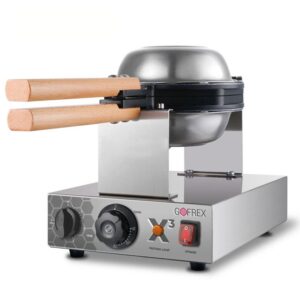
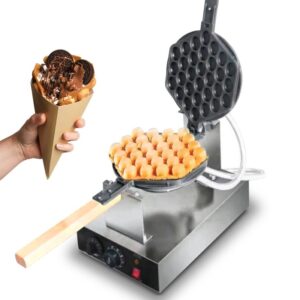


Complete Starter Kit for Bubble Waffles + Menu
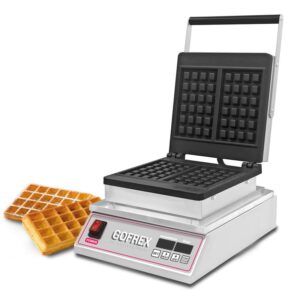



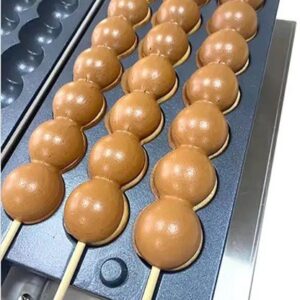
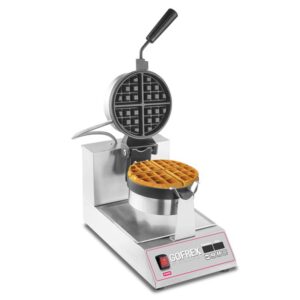

Waffle Mini Waffle | on a Stick
Optimal amount of batter for one waffle
The right portion of batter is a key element of success. Too little results in thin, incomplete waffles with poor structure. Excess causes overflow and dirties the waffle maker. A standard portion is about half a cup of batter per medium-sized waffle. Size may vary depending on plate dimensions and pocket depth.
Batter should be poured evenly onto the center of the lower plate. Closing the waffle maker automatically spreads the batter across the entire surface. Some rotating models require flipping after pouring in the batter. The user manual contains detailed instructions for each device and recommended batter amounts.
Batter consistency affects how much is needed to fill the molds. Thicker batter requires a slightly larger portion. Thinner batter spreads more easily, so less is needed. Experience allows intuitive dosing of the right portion without wasting ingredients. Initial attempts may require experimenting with quantities.
Ready-made waffle mixes at GOFREX store
GOFREX is a specialized store offering professional solutions for lovers of various types of waffles. The company focuses on providing high-quality mixes and accessories for preparing diverse waffles. The store’s assortment includes both traditional and innovative products tailored to home bakers’ and professional pastry chefs’ needs.
GOFREX store stands out in the market thanks to many years of experience and knowledge of the specifics of waffle baking. The products offered by the company have undergone thorough quality and taste tests. The mixes are developed in collaboration with food industry experts. Each recipe has been repeatedly tested for flavor, texture, and ease of preparation in home conditions.
Waffle Batter Mix
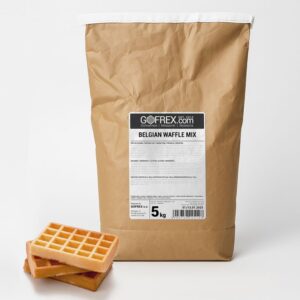
The basic GOFREX waffle batter mix contains carefully selected ingredients in perfect proportions. The product eliminates the need to weigh individual dry ingredients. Simply add the wet ingredients according to the instructions on the package. The mix guarantees consistent results with every use and saves preparation time.
The mix is based on high-quality wheat flour, baking powder, and natural flavorings. The addition of sea salt enhances the taste of the finished waffles. The product contains no artificial preservatives or colorings. The airtight packaging preserves ingredient freshness for a long time and protects against moisture.
Preparing batter from the ready-made mix greatly simplifies the process. Instructions are clear and detailed, eliminating the possibility of errors. The final result matches the quality of waffles made from scratch. Professional ingredients and proper proportions ensure excellent taste and texture.


Bubble Waffle Sweet Batter for Bubble Waffles 50kg



Ready-made Biscuit Dough for Waffles Classic | Belgian Waffles 50kg


Bubble Waffle Batter
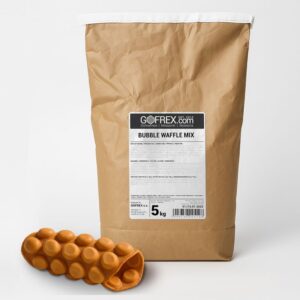
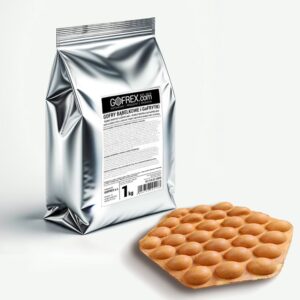
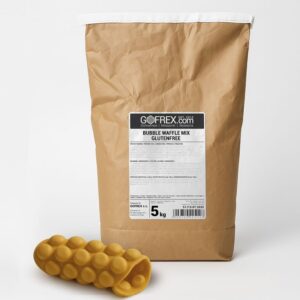
The special GOFREX bubble waffle mix was developed with the distinctive light structure of these baked goods in mind. Bubble waffles are characterized by round bubbles instead of traditional square pockets. The special mix composition ensures the proper batter consistency. The addition of special ingredients improves rise and fluffiness of the finished waffles.
Preparing batter from the mix is extremely simple and quick. Just add the appropriate amount of water or milk and stir until smooth. The batter does not require long rising times or complicated mixing techniques. The final result exceeds expectations even for demanding gourmets and resembles authentic Belgian specialties.
Benefits of GOFREX ready mixes:
- Saves preparation time
- Guarantees consistent results
- High-quality natural ingredients
- No need to weigh ingredients
- Long shelf life
- Detailed preparation instructions
- Variety of flavors and types
- Professional quality at home
Bubble waffles are characterized by exceptional lightness and delicate texture. Their structure resembles a soft sponge full of air pockets. They are perfect for breakfasts and afternoon snacks with various toppings. They can be served sweet or savory depending on preferences.
Sponge Waffles – Special Recipe
GOFREX Sponge Waffle Mix represents a unique category of baked goods with a delicate, sponge-like texture. The batter is characterized by its lightness and subtle vanilla flavor. The special formulation ensures the proper moisture and softness of the finished waffles. This product is perfect for breakfasts and family afternoon snacks.
Preparation requires adding eggs, milk, and melted butter to the mix. The proportions are precisely specified in the instructions included with the package. Mixing time is crucial to achieving the right texture. Overmixing can cause a loss of the lightness characteristic of sponge cake.
GOFREX sponge waffles pair excellently with fresh fruit, preserves, and whipped cream. The delicate flavor does not overpower the toppings. The waffle structure allows absorption of syrups and sauces. When stored properly in a dry place, the baked waffles stay fresh for several days.
Common Mistakes and How to Avoid Them When Making Belgian Waffles
Making perfect Belgian waffles can be challenging even for experienced home cooks. The most frequent issues involve errors in ingredient proportions, improper mixing techniques, and incorrect waffle iron settings. Each mistake has distinctive symptoms and can be effectively corrected. Knowing typical errors significantly increases the chances of achieving excellent results.
Rubbery, flat, or bitter waffles result from specific mistakes during preparation. Analyzing the causes of failures allows for appropriate adjustments in subsequent attempts. Experience shows which preparation stages require special attention and precision. A systematic approach minimizes the risk of errors and enhances cooking satisfaction.
Batter Consistency Problems
Too thick batter usually results from excess flour or insufficient liquids. It spreads poorly in the waffle iron and produces hard, dense waffles. Thinning by gradually adding milk or water solves this problem. Ingredients should be added in small portions, checking consistency after each addition.
Too thin batter leaks out of the waffle iron and creates flat, shapeless waffles. This is caused by too much liquid or not enough flour. Thickening requires careful addition of sifted flour. Each addition must be thoroughly mixed before assessing consistency and testing on a small portion.
Lumpy batter indicates improper mixing or insufficient sifting of flour. Vigorous mixing develops gluten, creating a rubbery texture. Gently combining ingredients with minimal stirring prevents this issue. Sifting flour and other dry ingredients eliminates lumps and aerates the mixture.
Tip: Check batter consistency by filling a spoon—the ideal batter should flow slowly but smoothly, forming a ribbon for several seconds.
Temperature and Baking Time Errors
Too low a temperature of the waffle iron results in pale, soft waffles with an indistinct pattern. The batter will not bake properly and will retain a moist consistency inside. Increasing the temperature and extending the baking time solves the problem. The temperature indicator must show the appropriate level before starting to bake the first waffle.
An overheated waffle iron causes burning on the outside while the inside remains undercooked. The waffles have a bitter taste and are too dark in color. Lowering the temperature and shortening the baking time improves the outcome. Regularly checking the first waffles helps adjust optimal settings for a specific device and type of batter.
Opening the waffle iron prematurely interrupts the baking process and may cause the waffle to break apart. Most devices signal readiness with a sound or indicator light. The first waffle often requires a slightly longer baking time than subsequent ones. Patience is key to achieving perfect results with every batch.
Issues with Texture and Flavor
A rubbery texture in waffles results from excessive mixing of the batter after adding flour. Gluten development creates a tough, elastic structure. Gently combining ingredients with minimal stirring prevents this problem. Egg whites whipped into foam must be folded in very carefully to preserve air bubbles.
Lack of fluffiness is often related to old baking powder or improper storage of ingredients. The freshness of leavening agents is crucial for proper batter rise. The expiration date must be checked before use. Storing products in a dry, cool place extends their shelf life and preserves their properties.
A bland flavor in waffles may result from insufficient salt or vanilla sugar. Salt enhances all flavors, even in sweet baked goods. Vanilla extract adds depth to the overall taste of the batter. Some recipes call for lemon zest to provide freshness and a subtle citrus note.
Professional Tips for Exceptionally Fluffy and Crispy Waffles
Achieving the perfect texture of Belgian waffles requires applying several professional techniques used by experienced pastry chefs. Every detail matters—from ingredient temperatures to mixing methods. Professionals know secrets that significantly impact the quality of the final product. Using proven methods guarantees excellent results with every bake and increases satisfaction with the process.
Temperature plays a key role in both batter preparation and baking. Ingredients that are too cold do not combine properly, while overheated ones can ruin delicate structure. Professional bakers control the temperature at every stage of the process. A kitchen thermometer becomes an invaluable tool for achieving perfection and consistent results.
Secrets to Perfect Fluffiness
Separating egg yolks from whites is a fundamental technique for professional pastry chefs. Egg whites beaten to stiff peaks add incredible lightness to the entire batter. The egg whites’ temperature should be about 68 degrees Fahrenheit for optimal effect. Clean bowls free of any grease are essential for creating stable, lasting foam.
The addition of citric acid or vinegar to egg whites stabilizes the foam and increases its final volume. Just a few drops are enough for 3-4 egg whites. Whipping begins at a low speed, gradually increasing the mixer’s speed. Properly whipped egg whites do not fall off the whisk when the bowl is turned upside down.
The technique of folding in the foam requires particular delicacy and patience. The first portion of foam is mixed somewhat more vigorously to thin out the dense batter. The remaining portion is added in two stages with gentle folding motions from bottom to top. Preserving the maximum amount of air bubbles determines the final fluffiness and lightness of the waffles.
Some professionals add a teaspoon of buttermilk to the batter to increase acidity. The reaction with baking powder further enhances the fluffiness of the finished baked goods. The temperature of wet ingredients should not exceed 25 degrees Celsius. The batter should be used within 30 minutes of preparation to maintain maximum lightness and volume.
Tip: Letting the prepared batter rest for 5-10 minutes before baking allows the flour to fully hydrate and better blends all the flavors of the ingredients.
Crispiness of the Outer Crust
Adding pearl sugar or coarse sugar to the batter creates a characteristic crispy crust during baking. The sugar caramelizes under high heat, forming a sweet, hard coating on the surface. Sugar should be added at the very end and gently mixed without destroying the structure.
The temperature of the waffle iron has a decisive effect on the crispiness level of the outer layer. Higher temperatures create a crunchier crust while maintaining a soft, fluffy interior. Most professional waffle irons operate at temperatures between 200-220 degrees Celsius. Home appliances usually reach 180-190 degrees, which is also sufficient to achieve a good result.
Adding a small amount of sugar to butter before melting enriches flavor and improves surface caramelization. Clarified butter provides better crispiness than regular butter containing water. Part of the butter can be replaced with coconut oil for a unique aroma and texture. Coconut oil adds subtle sweetness and an exotic flavor note.
Controlling Batter Moisture
The ideal batter for Belgian waffles should have the consistency of thick whipping cream. Batter that is too thin leaks from the waffle iron and produces flat waffles, while batter that is too thick does not spread evenly over the mold. Professionals adjust moisture by gradually adding liquids or flour. Each adjustment requires thorough mixing and testing consistency on a small sample.
Buttermilk instead of regular milk significantly improves waffle texture and flavor. The natural acidity of buttermilk reacts with baking powder, increasing fluffiness in the final product. The ratio of buttermilk to milk can be 1:1 or buttermilk can completely replace regular milk. Fermented dairy products add a distinctive, mildly tangy taste and improve shelf life.
Professional techniques for quality improvement:
- Separating egg yolks from whites for maximum fluffiness
- Controlling the temperature of all ingredients during the process
- Adding a stabilizer to the egg white foam
- Folding the egg whites into the prepared batter in two stages
- Using pearl sugar to achieve a crispy crust
- Optimizing the temperature and operating time of the waffle iron
- Minimal mixing of wet and dry ingredients
- Allowing the batter to rest briefly before baking
Adding a tablespoon of potato starch to the flour increases tenderness and improves the texture of finished waffles. The starch absorbs excess moisture and provides better batter stability during baking. Some professionals add a pinch of baking soda to increase alkalinity, which enhances the color and flavor of the final product.
Different Variations of Belgian Waffle Batter for Occasions and Preferences
The basic Belgian waffle recipe can be modified depending on the occasion, season, or individual family taste preferences. Each variation requires adjusting ingredient proportions or introducing new aromatic elements. Seasonal additions enrich the flavor and give baked goods a unique character. The variety of options ensures waffles never get boring and can be tailored to different tastes.
Modifications can involve basic ingredients or aromatic additions. Replacing part of the wheat flour with rye, spelt, or buckwheat changes both flavor profile and nutritional value of the baked goods. Additions such as nuts, fruits, or spices create new, interesting combinations. Each change requires testing and adjusting other ingredients to maintain proper consistency and taste.
Holiday Spiced Waffles
The holiday season inspires creating aromatic versions of Belgian waffles with characteristic warm spices. Cinnamon, nutmeg, cloves, and ginger form a unique festive bouquet. Spice proportions must be carefully measured—a large amount can overpower the delicate flavor of the base batter. One teaspoon of spice blend per standard batch usually suffices to achieve aroma.
The addition of freshly grated orange or lemon zest introduces fresh citrus notes to the holiday mix. Fresh zest has a much more intense aroma than dried. Essential oils from the zest release during baking, filling the kitchen with a wonderful scent. Orange extract can also be used at one teaspoon per batch.
Honey instead of part of the sugar gives waffles a gentle sweetness and a distinctive floral flavor reminiscent of gingerbread cookies. The honey proportion should not exceed half the amount of sugar called for in the recipe. Liquid honey mixes more easily with other ingredients, but crystallized honey can also be used after slight warming. Honey increases batter moisture and extends freshness of finished waffles by several days.
Tip: Holiday spice blends can be prepared in larger quantities and stored in an airtight container—this preserves aroma for several months and keeps it ready for use.
Fruit Versions for Warm Months
Summer variations of Belgian waffles take advantage of the abundance of fresh seasonal fruits available during the warm months. Blueberries, raspberries, blueberries, or sliced strawberries added directly to the batter create colorful and flavorful spots. The fruit should be lightly dusted with flour before adding to prevent sinking to the bottom of the bowl during mixing. Fresh fruits contain a lot of natural water, so it may be necessary to slightly reduce the amount of milk.
Banana is an excellent addition to Belgian waffle batter with its delicate, sweet flavor. A mashed ripe banana can replace part of the fat and adds natural sweetness without increasing the sugar content. One medium banana is enough for a standard portion of batter. Bananas must be properly ripe but not overripe—dark spots on the peel indicate optimal ripeness for baking.
The addition of grated apple with cinnamon creates an autumn version of waffles with a wonderful aroma reminiscent of apple pie. Apples should be peeled and grated using a coarse grater. Excess juice can be lightly squeezed out before adding to the batter to avoid diluting the mixture. Tart apple varieties work best in baking and add a pleasant acidity.
Dried fruits such as raisins, cranberries, or apricots should be soaked beforehand in warm water or rum. This increases their juiciness and prevents drying out the batter during baking. Exotic fruits, like mango or pineapple, give a tropical character and freshness to the waffles. Before adding, they should be cut into small cubes and lightly drained of excess juice.
Healthy ingredient alternatives
Whole wheat, spelt, or buckwheat flour can replace part of the wheat flour to increase the nutritional value of baked goods without losing flavor. The proportion should not exceed 50% of the total flour amount—higher content may make waffles too heavy and dense. Alternative flours have different binding properties, so it may be necessary to adjust liquid quantities in the recipe and mixing time.
Naturally sweetened versions use honey, maple syrup, agave syrup, or dates instead of refined white sugar. Each product has a different sweetness intensity and characteristic consistency that affects batter texture. Maple syrup imparts a distinctive caramel flavor and can replace all sugar in the recipe. Dates must be soaked beforehand and blended into a smooth paste before adding to the batter.
Substitutes in healthy versions:
- Whole wheat or spelt flour instead of part of white flour
- Natural honey or maple syrup replacing white sugar
- Coconut oil or extra virgin olive oil instead of butter
- Oat, almond, or coconut plant-based milk
- Carob powder instead of cocoa for chocolate versions
- Chia seeds or flaxseed as fiber sources
- Plant protein from legumes to increase protein content
The addition of grated coconut or coconut flakes gives a tropical aroma and improves the texture of finished waffles. Walnuts, almonds, or hazelnuts add crunchiness and rich flavor to the entire composition. Before adding, nuts should be lightly toasted in a dry pan to enhance aroma and increase crunchiness.
Summary
Preparing perfect Belgian waffles requires following several key principles and avoiding the most common mistakes made throughout the process. Proper ingredient proportions, the right mixing technique, and temperature control determine the quality of the final product. Each stage of preparation is important for the ultimate texture, flavor, and appearance of the baked goods. A systematic approach and patience lead to masterful skills.
Professional techniques, such as separating egg yolks from whites, using ingredients at the correct temperature, and gentle folding, significantly improve the final result of every bake. Knowing the most frequent errors allows for effective avoidance and achieving consistent, excellent outcomes. The variety of batter options enables customization of waffles for different occasions, seasons, and individual family taste preferences.
Seasonal toppings, healthy ingredient alternatives, and various preparation methods open unlimited possibilities for experimenting with flavors, textures, and aromas for any occasion. Ready-made GOFREX mixes offer an excellent alternative for those who value convenience without compromising quality and saving time in the kitchen.