Preparing perfect waffles requires not only a good recipe but, above all, an understanding of how different types of waffle irons affect the required batter consistency. Each type of device has its unique characteristics that directly influence the ideal thickness of the batter. Knowing these principles is key to achieving perfect results.
Choosing the right batter consistency can determine the success or failure of the entire process. Batter that is too runny will not fill the deep pockets of Belgian waffle irons, while batter that is too thick will not spread evenly in shallow American-style irons. Understanding the relationship between the device’s design and the batter’s properties allows for adjusting each recipe to a specific model.
Basic types of waffle irons and batter consistency requirements
The variety of waffle irons available on the market requires an individualized approach to batter preparation. Each type of device features specific pocket dimensions, heat distribution methods, and batter spreading mechanisms. These factors fundamentally affect what batter consistency will yield the best results.
Knowing the basic differences between waffle iron types enables informed recipe adjustments during planning. Incorrectly chosen batter thickness can lead to uneven filling of molds, batter leakage, or difficulties achieving the desired texture.
Differences between Belgian and American waffle irons
Belgian waffle irons are characterized by much deeper pockets measuring about 2-3 cm, which require a batter with a suitably runny consistency. The mixture must flow freely into every indentation, filling them completely without leaving empty spaces. The batter’s thickness should be comparable to thick cream that flows easily but retains some viscosity.
American waffle irons have shallow pockets about 0.5-1 cm deep, which require thicker batter. The mixture must be thick enough to hold its structure while being spread across the surface but still fluid enough to fill all indentations evenly. The optimal consistency resembles thick natural yogurt.
The difference in liquid ingredient proportions can be as much as 20-30% between recipes designed for these two types of devices. Belgian waffle irons often require an additional 2-3 tablespoons of milk per cup of flour compared to American recipes.
The impact of pocket depth on batter thickness
Pocket depth directly determines the required fluidity of the batter. Pockets deeper than 2 cm require a batter that flows freely into the deepest parts of the mold. Batter that is too thick will leave empty spaces at the bottom of pockets, leading to uneven baking.
Shallow pockets less than 1 cm deep handle thicker batter better since it does not need to travel long vertical distances. A thick consistency prevents excessive spreading beyond mold edges, which can cause leakage and mess inside the device.
The optimal density can be checked by pouring the batter from a spoon. For deep pockets, it should flow in a continuous stream, while for shallow ones, it may fall in small portions. The difference in viscosity between these two variants can be significant, affecting the final result.
Vertical waffle irons and specific requirements
Vertical waffle irons require batter with even greater fluidity than traditional Belgian models. Gravity plays a key role in spreading the mixture, so the batter must be fluid enough to flow freely through the special spout to all parts of the mold.
The batter consistency for vertical devices should resemble liquid cream or thick kefir. The mixture must not contain lumps that could block the spout or cause uneven distribution. Often, it is necessary to add more liquid than in standard recipes.
Special measuring cups included with vertical waffle irons make it easier to control the amount of batter, but the proper consistency remains a crucial factor for success. Batter that is too thick may not flow through the feeding system, while too thin batter can cause leaks.
Tip: Test the batter consistency by pouring it from the measuring cup included with vertical waffle irons—it should flow in an even stream without stopping at the spout.
Batter properties depending on device design
Different waffle iron designs require precise adjustment of the batter’s physical properties. Density, viscosity, and spreadability of the mixture must be tailored to the specifics of each type of device. Understanding these relationships allows achieving optimal results regardless of the equipment used.
The rheological properties of the batter directly affect how the mixture fills the mold, spreads across the surface, and reacts to heat. Every element of waffle iron construction, from plate material to heating system, influences the required batter characteristics.
Consistency for shallow-pocket waffle irons
Waffle irons with shallow pockets require batter with a consistency similar to thick mayonnaise or Greek yogurt. The mixture must be thick enough to hold its structure during application but also plastic enough to spread evenly across the entire mold surface.
The optimal density allows using a spoon or ladle to apply the batter without risk of excessive spreading. The batter should gently fall from the spoon, forming a ribbon that quickly merges with the rest of the mixture. This consistency ensures even filling of shallow indentations without creating excess.
The ratio of liquid to dry ingredients in this type of recipe is usually about 1:1.2, where just over one cup of liquid corresponds to each cup of flour. These proportions provide appropriate density without losing batter plasticity.
Thicker batter for deep Belgian models
Paradoxically, deep Belgian waffle irons require batter with lower density than shallow models. The mixture must flow freely into the deepest parts of the pockets, filling them completely. The consistency should resemble thick cream or condensed milk.
The batter’s fluidity allows it to fill all the indentations by gravity without the need to spread the mixture with a spatula. The batter should flow off the spoon in a continuous stream, creating a uniform surface when poured into the mold. This property is crucial for achieving the characteristic texture of Belgian waffles.
The liquid-to-flour ratio in Belgian recipes often ranges from 1.3:1 to even 1.5:1, significantly exceeding the proportions used for American waffle irons. The additional liquid provides the required fluidity without compromising flavor or texture.
Batter Fluidity for Cast Iron Waffle Irons
Cast iron waffle irons are characterized by uneven heat distribution and require batter with specially adjusted fluidity. The mixture must be fluid enough to quickly fill all parts of the mold before the setting process begins on the hot surfaces.
The consistency of batter for cast iron devices should be similar to thin cream or whole milk. This fluidity compensates for the rapid heating of the mixture upon contact with hot cast iron and prevents uneven layer formation.
Cast iron surfaces also require precise dosing of batter quantity. Too large a portion can cause overflow, while too small will leave empty parts of the mold. The optimal amount of batter usually ranges from 1/4 to 1/2 cup, depending on the device size.
Adjusting Batter Density in Nonstick Models
Nonstick coatings affect how the batter interacts with the mold surface, requiring subtle modifications to consistency. The batter can be slightly thicker than with traditional surfaces since the risk of sticking is much lower.
The optimal consistency for nonstick surfaces resembles thick cream or pudding. The mixture should flow easily off the spoon but maintain some firmness during application. This density allows precise dosing of batter without risk of excessive spreading.
Nonstick models often tolerate a wider range of batter consistencies, making them more versatile for beginners. Nevertheless, optimizing mixture density remains key to achieving the best results.
Tip: For nonstick waffle irons, start with batter consistency similar to thick cream and gradually adjust fluidity based on initial trials, observing how the mixture spreads.
Ingredients and Ratios Affecting Mixture Density
Controlling waffle batter consistency depends primarily on a precise balance between dry and liquid ingredients. Each element of the recipe plays a specific role in shaping the final properties of the mixture. Understanding each ingredient’s function enables conscious modification of consistency according to specific waffle iron requirements.
The proportions of ingredients determine not only batter density but also its structure, elasticity, and ability to fill molds. Even slight changes in liquid amounts or flour type can significantly impact the final result.
The Role of Flour in Achieving the Proper Consistency
Flour forms the structural base of the batter and directly affects its final density. The type of flour used determines its fluid absorption capacity. All-purpose wheat flour absorbs about 60–70 percent of its weight in liquid, while whole wheat flour may require as much as 80–90 percent.
The amount of flour in the recipe directly correlates with the batter’s density. Standard proportions are 1 cup of flour to 1–1.5 cups of liquid, depending on the type of waffle iron. For Belgian models, the ratio may shift toward a higher amount of liquid, whereas American waffle irons often require more balanced proportions.
The impact of different types of flour on consistency:
- All-purpose flour – standard absorption, easy density control
- Whole wheat flour – higher absorption, requires additional liquid
- Gluten-free flour – variable absorption, may require thickeners
- Self-rising flour – contains baking powder, affects structure
Excess flour leads to overly thick batter that is difficult to spread in the mold. A shortage can result in a batter that is too thin and unable to hold its structure during baking.
The Importance of Milk and Other Liquids in the Recipe
Liquids are a fundamental element in controlling batter consistency. Whole milk provides optimal texture and rich flavor but can be substituted with other options depending on dietary needs. Each type of liquid has different thickening properties and influences the final texture.
The temperature of liquids plays a significant role when mixing ingredients. Cold milk slows down the hydration process of the flour, allowing better control over consistency. Warm liquids speed up this process but may cause premature setting when combined with fats.
Liquid options and their impact on consistency:
- Whole milk – standard thickness, rich flavor
- Buttermilk – slightly acidic, may require less liquid
- Plant-based milk – varying thickness depending on type
- Water – thinnest option, requires proportion adjustments
- Cream – thicker, reduces need for other thickeners
Liquid proportions can be adjusted gradually by adding 1–2 tablespoons at a time until the desired consistency is reached. It is safer to start with a slightly thicker batter and thin it out gradually.
The Effect of Eggs and Butter on Batter Structure
Eggs serve a dual purpose in waffle batter. They act as an emulsifier that combines fat and water-based ingredients and as a natural thickener due to their protein content. Egg yolks increase batter density, while beaten egg whites incorporate air, giving the mixture lightness.
Butter and other fats influence consistency by creating an emulsion with liquids. Melted butter mixes more easily but can make the batter too runny. Butter at room temperature offers better control over consistency but requires thorough mixing.
Separating eggs into whites and yolks allows precise texture control. Yolks can be added directly to the dry mix, while whipped whites are folded in at the end gently. This technique increases batter volume without affecting its basic consistency.
Tip: For optimal consistency, add melted butter slowly, one tablespoon at a time, stirring constantly – this prevents the emulsion from separating and allows better control of the batter’s thickness.
Techniques for Modifying Batter Consistency During Preparation
The ability to adjust batter consistency during preparation is a key skill in the art of making waffles. Even with precise adherence to the recipe, situations may arise that require adjustments to the mixture’s thickness. Knowing the proper modification techniques allows you to salvage seemingly failed batter and tailor it to the requirements of a specific waffle iron.
Every change in consistency should be made gradually and thoughtfully. Drastic modifications can disrupt the delicate balance of ingredients and lead to undesirable textural effects. Patience and systematic testing of each adjustment’s results are crucial for success.
Methods for Thickening Batter That Is Too Thin
Batter that is too thin is a common problem, especially during initial attempts with a new waffle iron. The most effective method for thickening is gradually adding flour, one tablespoon at a time, mixing thoroughly after each addition. This technique allows precise control over consistency changes without risking overdrying the batter.
An alternative method is using potato or cornstarch, which thicken the mixture without significantly affecting flavor. One tablespoon of starch per cup of batter can noticeably increase its thickness. The starch should first be dissolved in a small amount of cold liquid to avoid lump formation.
Thickening ingredients and their proportions:
- All-purpose flour – 1-2 tablespoons per cup of batter
- Potato starch – 1 tablespoon per cup of batter
- Cornstarch – 1 tablespoon per cup of batter
- Ground oats – 2-3 tablespoons per cup of batter
It is important to avoid excessive mixing after adding thickeners, as this can lead to gluten development and result in tough waffles. Stir gently only until ingredients are combined.
Thinning Batter When It Is Too Thick
Batter that is too thick requires careful thinning to avoid disrupting the proportions of other ingredients. The best choice is to add the same type of liquid used in the original recipe, most often milk. Add the liquid one tablespoon at a time, mixing thoroughly after each addition.
The temperature of the added liquid matters. It should be at room temperature or slightly warm so as not to disturb the batter’s texture. Cold liquid can cause fats to solidify, while hot liquid may start protein coagulation.
If the batter is significantly too thick, a two-step thinning technique can be used. First add half of the needed liquid, mix thoroughly, then gradually incorporate the rest until reaching desired consistency.
Whipping Egg Whites as a Way to Increase Fluffiness
Separately whipping egg whites and gently folding them in at the end of preparation is a classic technique for increasing batter volume without affecting its basic consistency. Egg whites should be whipped to soft peaks but not dry, preserving elasticity.
Adding whipped egg whites requires a special technique. The spoon movement should be vertical, guided from bottom to top, while simultaneously rotating the bowl. This method minimizes air loss and preserves the fluffy structure of the batter. The process should be done quickly but gently.
The amount of air introduced by whipped egg whites can increase the volume of the batter by up to 30-40%, which is especially valuable for deep Belgian waffle irons. This technique allows for a light texture without the need to increase the amount of liquids.
Resting the batter and its impact on the final consistency
Leaving the prepared batter to rest for 10-15 minutes before baking allows for full hydration of the flour and stabilization of the consistency. During this time, the ingredients combine better, and the batter may thicken slightly as proteins and starch absorb liquids.
During resting, cover the bowl with a damp cloth to prevent a skin from forming on the surface of the batter. Room temperature is optimal. Too cold an environment can slow hydration processes, while warmth can cause premature setting.
After resting, the batter may require gentle re-mixing, especially if it contains whipped egg whites. Mixing should be minimal, only enough to restore uniformity without losing the incorporated air.
Tip: After resting, check the batter’s consistency by pouring it from a spoon—if it flows too slowly, add a tablespoon of milk; if too quickly, add a little flour and mix gently.
Common mistakes when adjusting batter consistency
Incorrectly adjusting batter consistency is a primary cause of failed waffles. Mistakes in this area can lead to various problems, from uneven filling of molds to difficulties removing finished products. Knowing common errors helps avoid them and achieve better results from the first attempts.
Most mistakes stem from not adapting the recipe to a specific type of waffle iron or lacking understanding of how individual ingredients affect final consistency. A systematic approach to preparing batter and awareness of potential pitfalls greatly increase chances for success.
Batter that is too thick and problems filling molds
Batter that is too thick does not spread evenly over waffle iron surfaces, leaving empty areas in pockets and along edges. This problem is especially pronounced in deep Belgian waffle irons where batter must flow into the lowest parts of molds. Incomplete filling leads to waffles with uneven thickness and an unappealing appearance.
Thick batter may also stick to waffle iron surfaces, particularly those without non-stick coating. Difficulty spreading the mixture causes some areas to receive too much batter while others remain insufficiently filled. The result is waffles with uneven baking levels.
Signs of batter that is too thick:
- Difficulty pouring from a spoon or ladle
- Remaining in a mound shape after pouring onto the mold
- Uneven filling of pockets
- Sticking to the surface of the mold
- Uneven color after baking
The most common cause of this problem is excess flour in the recipe or a lack of liquids. Correction requires gradually adding milk or another liquid, one tablespoon at a time, mixing thoroughly after each addition.
Too thin batter and its effect on waffle shape
Excessively liquid batter produces waffles with weak structure that easily fall apart and have difficulty maintaining the characteristic pocket shape. Too thin batter can also leak beyond the edges of the mold, creating unsightly borders and making the device harder to clean.
Liquid batter tends to create thin, brittle waffles that cannot support the weight of toppings such as syrup or fruit. The problem worsens with waffle irons that have shallow pockets, where the lack of sufficient structure is especially noticeable.
Excessive liquidity can also affect baking time. Very thin batter requires longer moisture evaporation, which can lead to drying out the outer layers before the interior is properly baked. The result is waffles that are hard on the outside but raw inside.
Mixing the batter and loss of desired structure
Overmixing the batter is one of the most common mistakes leading to hard, chewy waffles. Intense mixing develops gluten in the flour, creating an elastic structure undesirable in this type of baked goods. This process is irreversible and can ruin even properly prepared batter.
It is especially dangerous to mix for a long time after adding flour to wet ingredients. Gluten begins to develop after just a few stirs, and further mixing only worsens the problem. The optimal approach is mixing only until ingredients are combined, accepting some small lumps.
Proper mixing techniques:
- Combine dry ingredients separately from wet ingredients
- Add wet ingredients to dry ones, not vice versa
- Mix with a spoon, not a mixer
- Use vertical motions from bottom to top, not circular
- Stop mixing once ingredients are combined
The problem intensifies when beaten egg whites are added because too vigorous mixing causes loss of air and flattening of the structure. Egg whites should be gently folded in without stirring.
Tip: If you notice that the batter has become too thick or rubbery due to excessive mixing, do not try to fix it by adding liquids; it is better to prepare a new batch using the experience from the first attempt.
Ready-made batter mixes and professional waffle makers for baking waffles at the GOFREX store
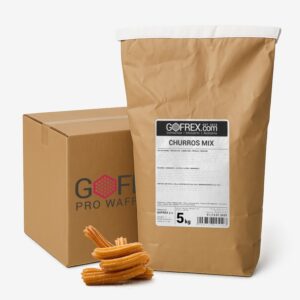
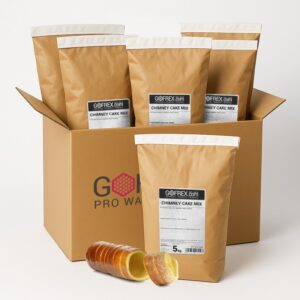
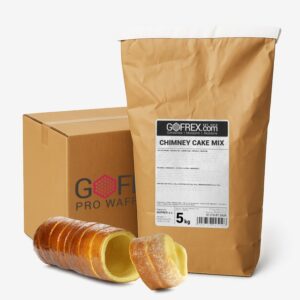
GOFREX Store offers comprehensive solutions for the foodservice industry, including high-quality ready-made waffle mixes and professional waffle makers. The company specializes in products for the gastronomy sector, ensuring consistent quality standards and repeatable results. The offer includes a variety of mixes for preparing sponge, Belgian, and bubble waffles, as well as equipment designed for intensive use in foodservice establishments.
GOFREX products are the result of years of research and collaboration with food technologists. Each mix contains carefully selected, top-quality ingredients that guarantee excellent flavor and perfect waffle texture. Professional devices feature durable construction and precise temperature control, ensuring even baking with high efficiency.
Ready-made mixes for different types of waffles
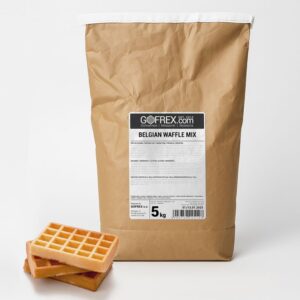
The GOFREX mix range includes products for preparing three main types of waffles. Sponge Belgian waffle mixes are characterized by a light, fluffy texture and delicate flavor. The deep grids of these waffles perfectly hold toppings such as syrups, fruits, or whipped cream.
Bubble waffle mixes allow you to prepare distinctive desserts with a unique structure composed of small spheres. These products contain high-quality wheat flour and leavening agents that guarantee a crispy crust and fluffy interior.
All mixes are available in economical packaging tailored to the needs of the foodservice industry. Prepared batter can be stored in the refrigerator for 24 hours, which facilitates production planning and reduces ingredient waste.
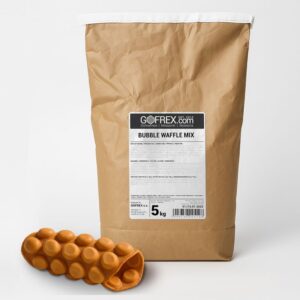

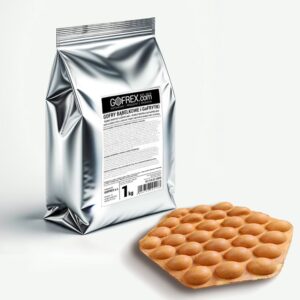

Bubble Waffle Sweet Batter for Bubble Waffles 50kg


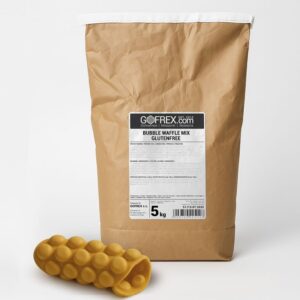

Ready-made Biscuit Dough for Waffles Classic | Belgian Waffles 50kg


Professional equipment for gastronomy
Professional GOFREX waffle makers are designed for intensive use in foodservice venues. The devices feature durable construction, precise temperature control, and even heat distribution.
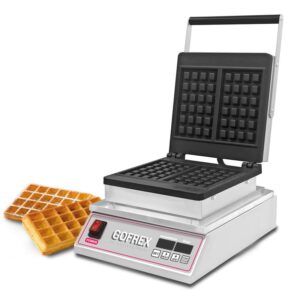
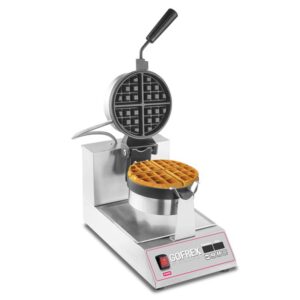
Belgian waffle makers allow you to prepare thick waffles with characteristic deep pockets. Models with varying capacities are available, tailored to the needs of small cafes and large restaurants. Some devices are equipped with a rotating function, ensuring even baking on both sides.
Specialized bubble waffle makers enable the preparation of popular bubble desserts. These devices feature a special mold that creates the distinctive bubble structure and precise temperature control necessary to achieve the optimal texture.
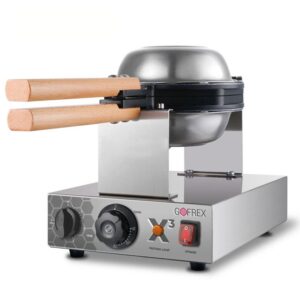
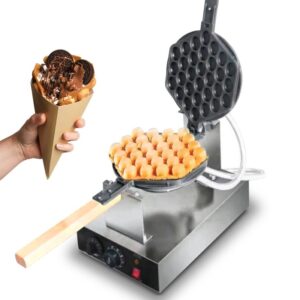


Complete Starter Kit for Bubble Waffles + Menu



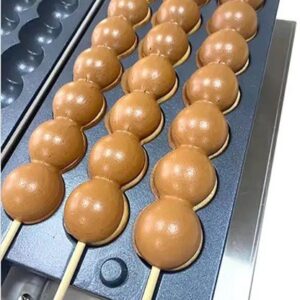

Waffle Mini Waffle | on a Stick
Comprehensive support and consulting
GOFREX offers not only products but also comprehensive support for business clients. The company provides consulting on selecting the right mixes and equipment tailored to the specifics of your food service establishment.
GOFREX’s many years of experience in the waffle maker industry translates into deep knowledge of market trends and gastronomy needs. The company regularly introduces innovative solutions, supporting the business growth of its clients.
Invite your customers on an unforgettable flavor journey with GOFREX products. Contact our team of experts to receive personalized advice on choosing optimal solutions for your establishment. Order products today and experience the quality that sets GOFREX apart in the foodservice market.
Practical tips for testing consistency across different models
Testing batter consistency is a crucial step in adapting recipes to specific waffle makers. Each device has unique characteristics that affect the required density of the mix. A systematic approach to testing allows for quickly finding optimal parameters for a given model.
Proper testing requires patience and a methodical approach. Initial trials serve to gather information about how the batter behaves in a particular device, enabling precise adjustments in subsequent attempts.
How to check the appropriate batter density
The spoon test is a basic method for assessing batter consistency. A properly prepared mix should flow off the spoon in a continuous stream, forming a ribbon that disappears within 2-3 seconds after touching the rest of the batter. Too quick disappearance indicates excessive fluidity, while slow or no disappearance signals too thick a consistency.
The pouring test allows evaluation of how the batter behaves on the waffle maker surface. One portion of batter should evenly spread across the entire mold surface within 10-15 seconds without needing assistance from a spatula. Too slow spreading indicates a need to thin it out, while excessive spreading suggests thickening is required.
Parameters of proper consistency:
- Dripping from the spoon: continuous stream for 3-5 seconds
- Spreading on the mold: covering the entire surface within 15 seconds
- Appearance: homogeneous, without lumps or separation
- Behavior: no leakage beyond the mold edges
- Texture: smooth, creamy, non-sticky
A good practice is to conduct a temperature test because batter behaves differently at room temperature than when chilled. The optimal batter temperature is 18-22°C, which ensures proper spreading without premature setting.
First tests with a new waffle iron
The first use of a new waffle iron requires special caution and a systematic approach. It is recommended to start with a smaller portion of batter than stated in the instructions, about ¾ of the recommended amount. This rule helps avoid leaks and device contamination while learning its characteristics.
The initial trial should focus on observing how the batter spreads over the mold surface. Pay attention to whether the mixture reaches all pockets, if there are uncovered areas, and if any leaks occur. These observations form the basis for adjusting consistency in subsequent attempts.
First test checklist:
- Prepare batter with standard consistency
- Use 3/4 of the recommended amount of batter
- Observe spreading during the first 30 seconds
- Check the degree of filling in all pockets
- Verify if any leaks occur
- Assess ease of removing the finished waffle
Documenting results from initial tests allows for systematic technique improvement. It is useful to note the amount of batter used, baking time, and subjective evaluation of the outcome.
Recording proportions for a specific device
Keeping a recipe journal for a particular waffle iron greatly facilitates achieving consistent results. Each device has unique requirements worth documenting after finding optimal parameters. Notes should include not only ingredient proportions but also technical details of the process.
The documentation should cover information about the type of flour used, milk type, ingredient temperatures, and mixing time. These seemingly minor details can significantly affect final results and process repeatability. It is also advisable to record external conditions such as humidity, which can influence batter behavior.
Elements to record:
- Exact proportions of all ingredients
- Type and brand of flour used
- Type and temperature of liquid
- Mixing time and technique
- Batter amount per waffle
- Temperature settings and baking time
- Assessment of texture and taste
Systematic record keeping enables identification of patterns and causes of possible failures. After several months, it is possible to develop a personalized recipe perfectly tailored to a specific device.
Seasonal Recipe Adjustments
Weather conditions significantly affect the behavior of ingredients and the required dough consistency. High humidity can cause flour to absorb extra moisture, necessitating a reduction in the amount of liquids in the recipe. Conversely, dry air may require an increase in liquid content.
Ambient temperature also matters. On cooler days, ingredients may need longer mixing to achieve a uniform consistency, while on hot days, the process should be sped up to avoid premature solidification of fats.
Seasonal differences also include ingredient freshness. In summer, eggs and dairy products may have a different consistency than in winter, which affects the amount of additional liquids needed. Regular testing and adjusting the recipe allows for maintaining high quality throughout the year.
Tip: Keep separate notes for different seasons, recording necessary recipe modifications based on weather conditions, as such information will be extremely useful in future seasons.
Summary
Adjusting waffle batter consistency for various types of waffle irons is an art that requires understanding fundamental principles and practical experience. Each type of device, from deep Belgian to shallow American, from vertical to cast iron, demands an individual approach to preparing the mix. The key to success is realizing that there is no one universal recipe that works in all situations.
Systematic testing and documenting results allow for developing optimal parameters for a specific device. Knowing techniques for modifying consistency during preparation and avoiding common mistakes greatly increases the chances of achieving perfect waffles. Proper ingredient proportions, appropriate mixing technique, and patience in adjusting the recipe are the foundations of success in this culinary field.
Remembering the impact of external factors such as air humidity or ingredient temperature helps maintain high waffle quality regardless of conditions. Investing time in learning your equipment’s specifics and keeping detailed records pays off many times over with consistent, excellent results every time you use your waffle irons.